
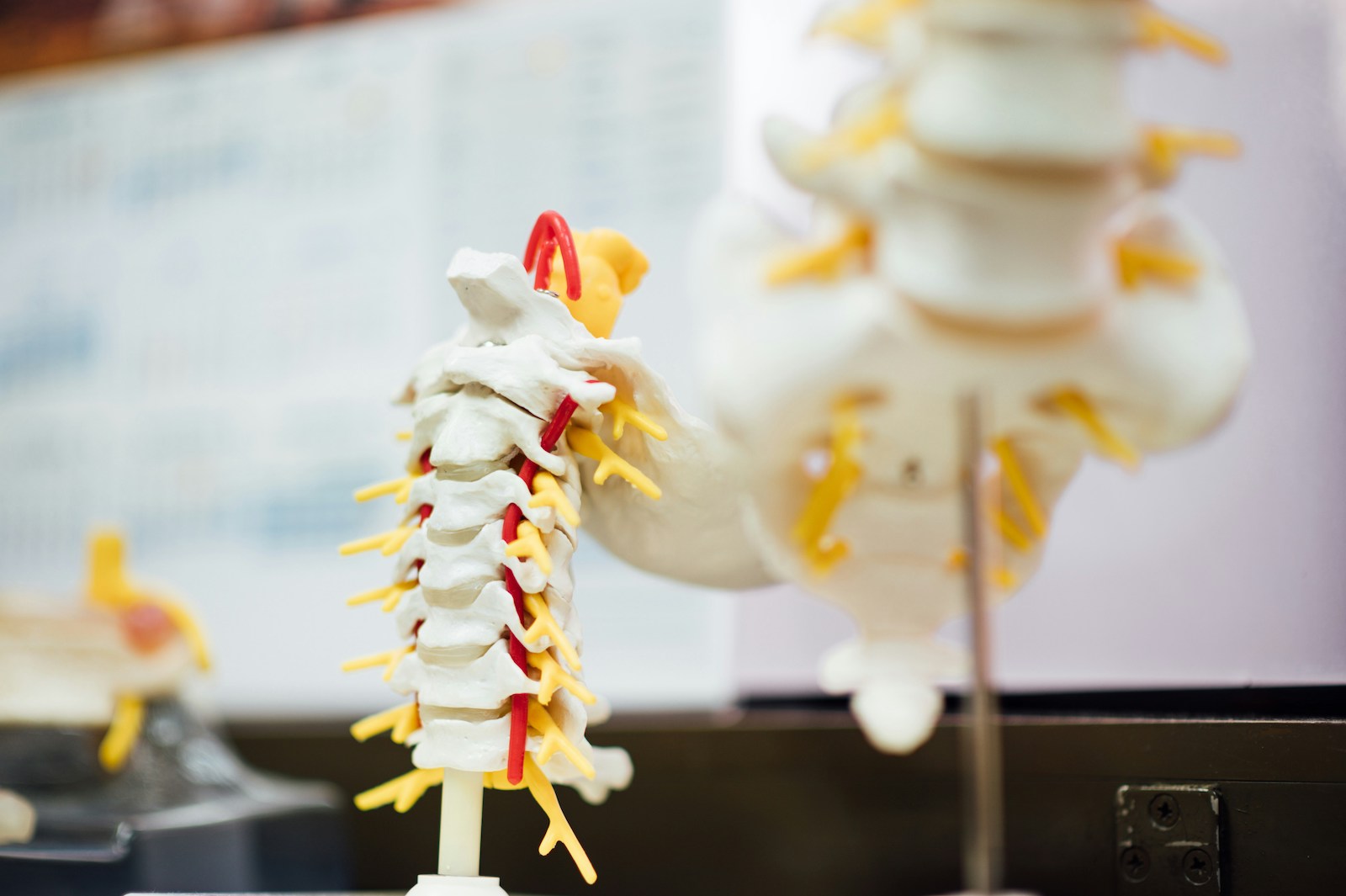





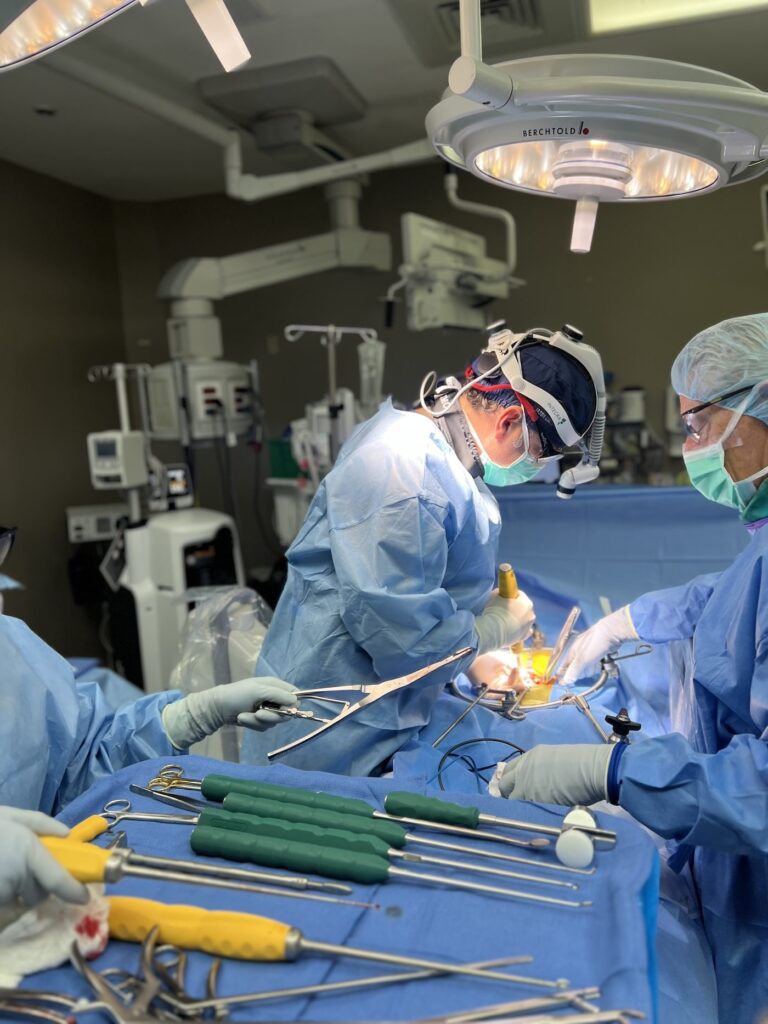








When a previous spine surgery does not provide lasting relief, or when new problems develop over time, revision spine surgery may be needed to correct the issue and restore stability. These procedures are often more complex than an initial spine surgery, requiring a careful review of the patient’s surgical history, imaging, symptoms, and long-term goals.
At Palm Beach Spine & Disc Replacement Center, revision spine surgery is approached with precision and advanced planning. Treatment may be recommended for concerns such as a failed fusion, recurrent disc herniation, hardware-related complications, ongoing nerve compression, or spinal instability.
For patients in Palm Beach, revision spine surgery can offer a path toward renewed function, improved comfort, and a better quality of life when symptoms persist after a prior procedure.
Revision spine surgery may be recommended when symptoms continue, return, or worsen after a previous spine procedure. Because every case is different, the first step is identifying why the original surgery did not lead to the expected relief.
Common reasons for revision spine surgery include:
Failed Fusion: When the bones do not properly heal or fuse after the initial procedure.
Recurrent Disc Herniation: When disc material returns and places pressure on the spinal canal or nerve root
Spinal Instability: When there is too much movement between the bones of the spine
Hardware Complications: When screws, rods, plates, or other implants loosen, shift, break, or cause irritation
Adjacent Segment Degeneration: When the discs or joints near a previous fusion begin to wear down over time.
At Palm Beach Spine & Disc Replacement Center, each revision case is carefully evaluated to determine the source of pain and the most appropriate surgical approach.
Revision spine surgery requires a thoughtful, highly individualized approach. Because the spine has already been operated on, careful planning is essential before recommending another procedure.
Important considerations include:
Comprehensive Evaluation: A detailed review of symptoms, imaging, prior surgical records, and the reason the first surgery may not have provided lasting relief
Advanced Techniques: Use of refined techniques selected around the patient’s anatomy, condition, and treatment goals
Risk Assessment: A clear discussion of the potential advantages, limitations, and risks of revision surgery
Recovery Planning: A personalized plan for post-surgical care, rehabilitation, and long-term healing
At Palm Beach Spine & Disc Replacement Center, the goal is to give patients clarity before moving forward, so they understand both the procedure and the path to recovery.
At Palm Beach Spine & Disc Replacement Center, every revision spine surgery case is carefully evaluated with the patient’s prior surgery, imaging, symptoms, and current limitations in mind.
Led by Dr. Cuéllar, our approach combines advanced surgical planning with individualized care. The goal is not simply to “redo” a prior surgery, but to correct the underlying problem, restore spinal stability when possible, and help patients move toward better comfort, function, and quality of life.
Surgery Preparation: Before revision spine surgery, patients undergo a detailed pre-operative evaluation to review their health, imaging, prior procedure, and surgical goals. This helps ensure the procedure is carefully planned and that each patient understands what to expect.
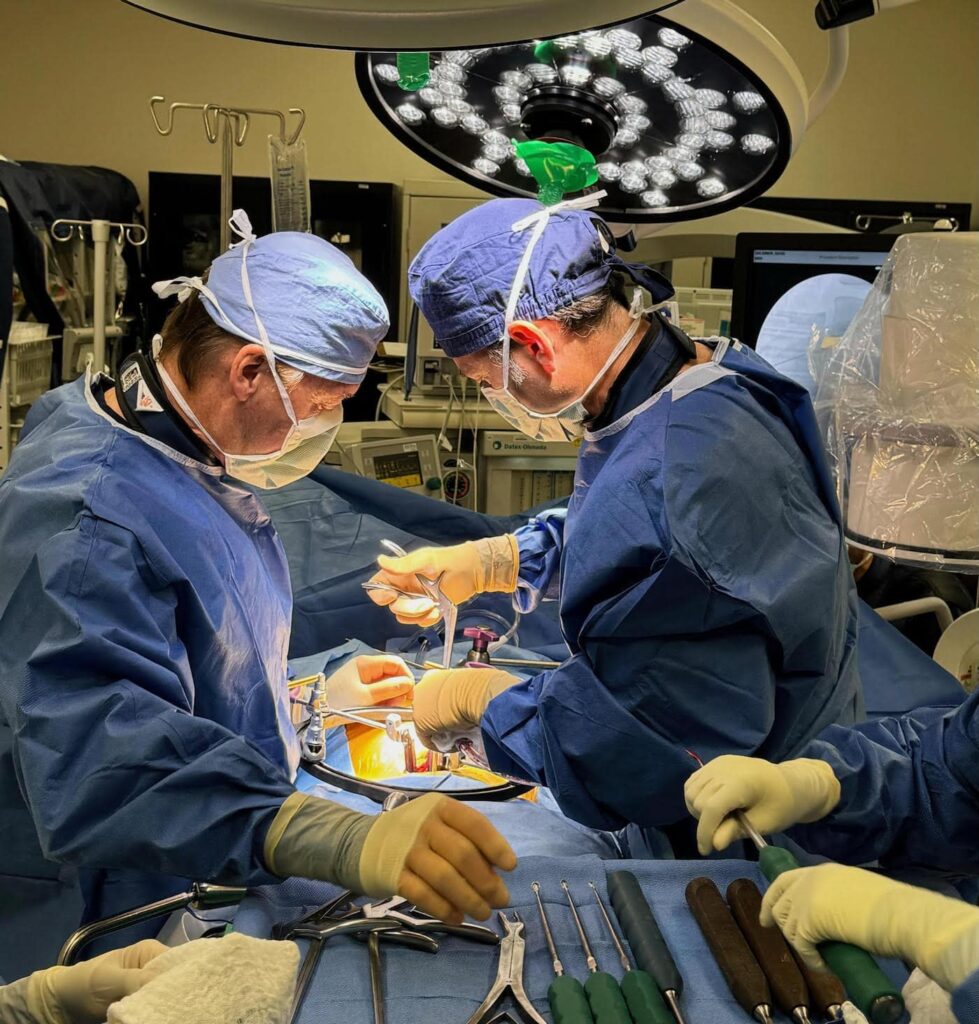
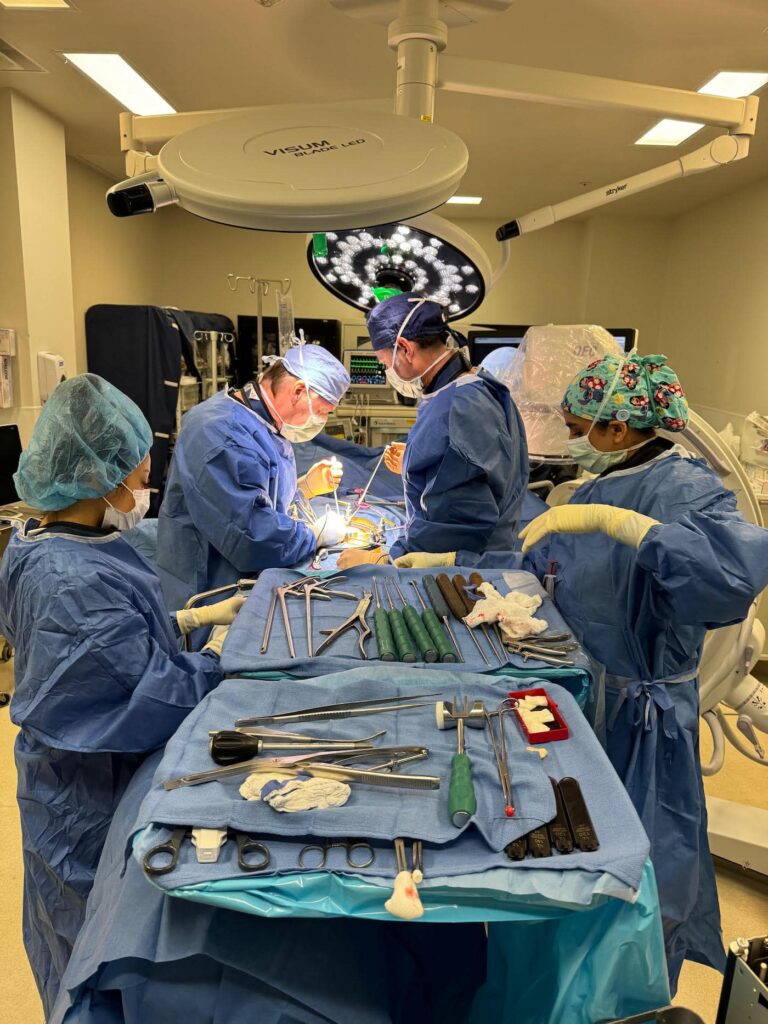
Overview of the Surgical Process: During surgery, Dr. Cuéllar uses advanced techniques to address the specific issue causing symptoms, such as a failed fusion, recurrent disc herniation, hardware complications, or spinal instability. The goal is to correct the underlying problem while improving spinal stability, function, and long-term comfort.
Techniques Used: When appropriate, minimally invasive techniques may be used to limit tissue disruption, support a smoother recovery, and improve surgical precision. Each procedure is customized to the patient’s anatomy, condition, and previous surgical history.
Spine revision surgery may be considered for patients who continue to experience pain, nerve compression, instability, or limited mobility after a previous spine procedure.
An ideal candidate may include someone with:
Failed fusion or continued instability after a prior fusion.
Recurrent disc herniation causing renewed nerve pressure or pain.
Hardware complications, such as loosened, shifted, or damaged implants
Adjacent segment disease near a previous fusion site
Persistent spinal stenosis or ongoing nerve compression after surgery
Concerns from a prior spine procedure, including select disc replacement cases
Clear imaging or diagnostic findings that explain their symptoms
Good overall health and a willingness to follow the recovery plan
At Palm Beach Spine & Disc Replacement Center, candidacy is determined through a careful review of each patient’s symptoms, prior surgery, imaging, and long-term goals.
At Palm Beach Spine & Disc Replacement Center, the evaluation process includes a detailed review of your medical history, prior spine surgery, current symptoms, and treatment goals. Dr. Cuéllar also performs a physical exam to assess spinal alignment, movement, strength, sensation, and neurological function.
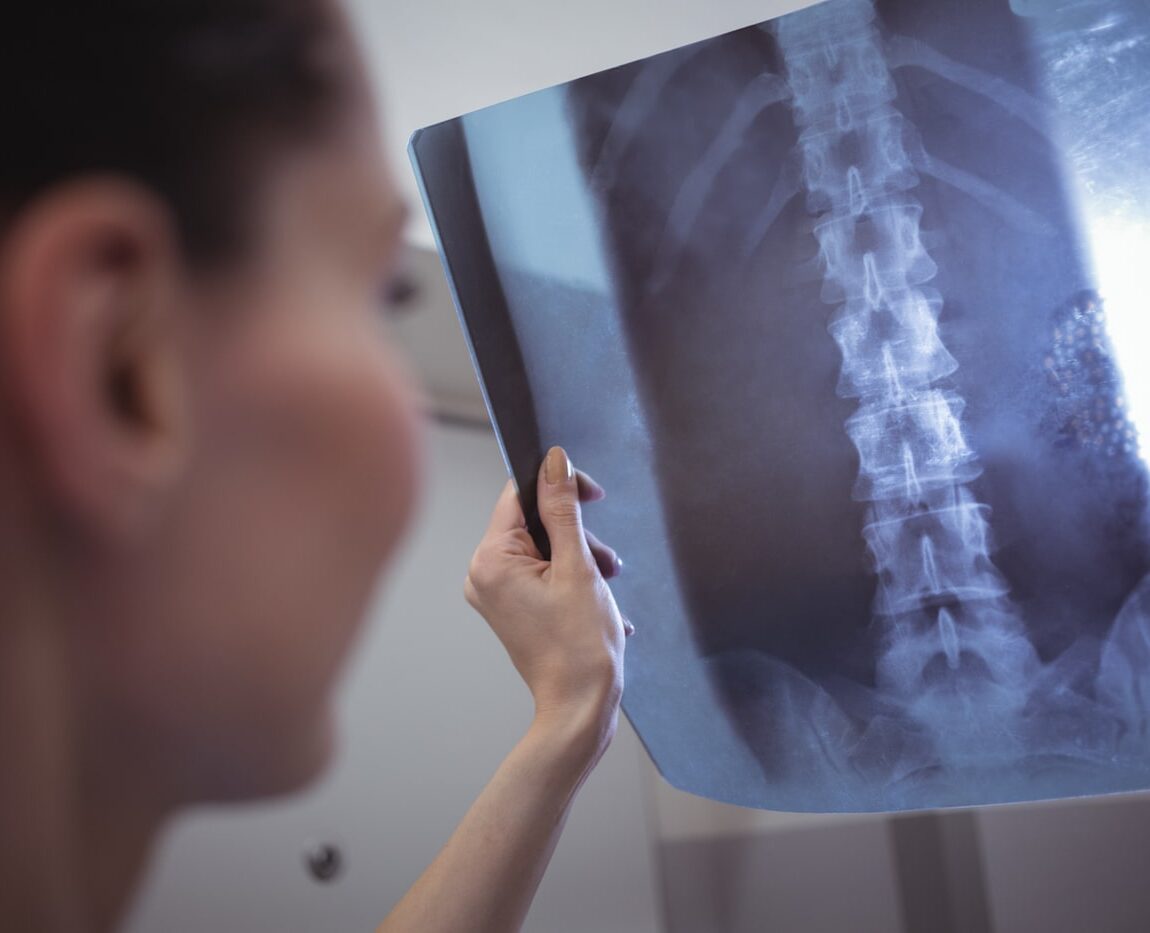
Advanced imaging, such as MRI or CT scans, may be used to identify structural concerns like recurrent disc herniation, spinal stenosis, instability, or issues related to a previous procedure. From there, Dr. Cuéllar creates a personalized treatment plan, which may include revision spine surgery when non-surgical options have not provided enough relief.
Revision spine surgery may be considered when a prior procedure has not provided lasting relief or when new problems develop, such as persistent pain, nerve symptoms, hardware complications, or spinal instability.
At Palm Beach Spine & Disc Replacement Center, Dr. Cuéllar and his team use advanced diagnostics, imaging, and a thorough clinical evaluation to understand the cause of ongoing symptoms. If non-surgical treatments have not been effective, revision surgery may be recommended to help restore stability, reduce nerve compression, and improve quality of life.
Artificial disc replacement is designed to preserve motion, but in some cases, a prior disc replacement may need to be revised. This may happen when the implant is not positioned properly, symptoms continue after surgery, the device shifts, or nearby spinal levels begin to degenerate.
Disc replacement revision surgery may be considered for patients experiencing:
Persistent or worsening pain after artificial disc replacement
Implant migration, loosening, or device-related complications
Improper alignment affecting spinal balance or movement
Nerve compression or instability
Degeneration at nearby spinal levels
Limited improvement from the original procedure
When revision is needed, Dr. Cuéllar carefully evaluates the existing implant, spinal alignment, nerve compression, and overall spinal function. Depending on the patient’s condition, treatment may involve repositioning, removing, or replacing the artificial disc, or using another surgical approach to restore stability and reduce symptoms.
At Palm Beach Spine & Disc Replacement Center, disc replacement revision surgery is planned with precision, advanced imaging, and a focus on improving comfort, mobility, and long-term quality of life.
Revision spine surgery is complex, so choosing the right specialist matters. Before moving forward, patients should feel comfortable asking about the surgeon’s experience with similar revision cases, the goals of the procedure, potential risks, and what outcomes may be realistic for their condition.
An experienced revision spine surgeon should offer:
Board certification and advanced spine training
Experience with complex revision procedures
A careful review of prior surgical records and imaging
Access to advanced surgical technology and techniques
A personalized plan based on the patient’s symptoms, anatomy, and long-term goals
At Palm Beach Spine & Disc Replacement Center, Dr. Cuéllar provides thoughtful evaluation and advanced surgical care for patients who continue to struggle after a previous spine procedure. Each case is approached with precision, clarity, and a focus on improving comfort, stability, and quality of life.
Palm Beach Spine & Disc Replacement Center helps patients with failed spinal fusion by identifying the cause of ongoing pain, instability, or nerve symptoms and creating a personalized revision plan.
When appropriate, revision surgery may be used to improve stability, relieve nerve pressure, address hardware concerns, and support better long-term function.
Recovery after revision spine surgery is planned in stages and tailored to each patient’s needs. After surgery, patients receive clear instructions for wound care, medications, activity limits, and follow-up visits to help support healing and reduce the risk of complications.
Pain management is also an important part of recovery. This may include medication, therapeutic support, and close monitoring as the body heals.
Rehabilitation may be recommended to help improve strength, flexibility, mobility, and independence over time. The goal is to support a safer recovery and help patients return to daily life with better comfort and function.
Recovery varies depending on the type of revision surgery, the patient’s overall health, and the complexity of the procedure. Many patients begin noticing improvement within the first few weeks, but full recovery can take several weeks to several months.
Success rates vary based on the reason for revision surgery, the patient’s overall health, and the surgical approach used. During consultation, each case is reviewed individually so patients understand what outcomes may be realistic for their condition and goals.
The length of revision spine surgery depends on the complexity of the case and the type of correction needed. Many procedures take several hours, while more complex surgeries may take a half-day or longer. A more specific estimate is provided during the pre-surgical consultation.
Revision rates vary depending on the original procedure, the patient’s condition, and how the spine heals over time. A detailed evaluation helps identify risk factors, reduce the chance of future complications, and support the best possible outcome.
As with any spine surgery, possible risks may include infection, nerve irritation or injury, bleeding, anesthesia-related complications, or issues related to the implant or surrounding spinal structures. These risks are reviewed during consultation based on the patient’s condition, imaging, and surgical history.
Yes. Depending on the patient’s condition, goals, and preferences, alternatives may include conservative treatments or a different surgical approach. Each option is reviewed during consultation to determine the most appropriate path forward.
450 Royal Palm Way, Suite 101
Palm Beach, FL 33480
Mon–Fri · 11:30 AM – 7:00 PM
P (305) 459-3175 · F (855) 265-7167
4362 Northlake Blvd, Suite 209
Palm Beach Gardens, FL 33410
Mon–Fri · 11:30 AM – 7:00 PM
P (305) 459-3175 · F (855) 265-7167
658 W Indiantown Rd., Suite 212
Jupiter, FL 33458
Mon–Fri · 11:30 AM – 7:00 PM
P (305) 459-3175 · F (855) 265-7167
2820 NE 214th St, Suite 801
Aventura, FL 33180
Mon–Fri · 11:30 AM – 7:00 PM
P (305) 459-3175 · F (855) 265-7167
Our team will confirm your appointment and let you know exactly what to bring. If you have imaging or prior records, you can upload them directly through our patient portal.
(855) 265-7167
Mon–Fri · 11:30 AM – 7:00 PM