












When lumbar spine surgery becomes part of the conversation, many patients want to know if spinal fusion is their only option. In certain cases, it may not be.
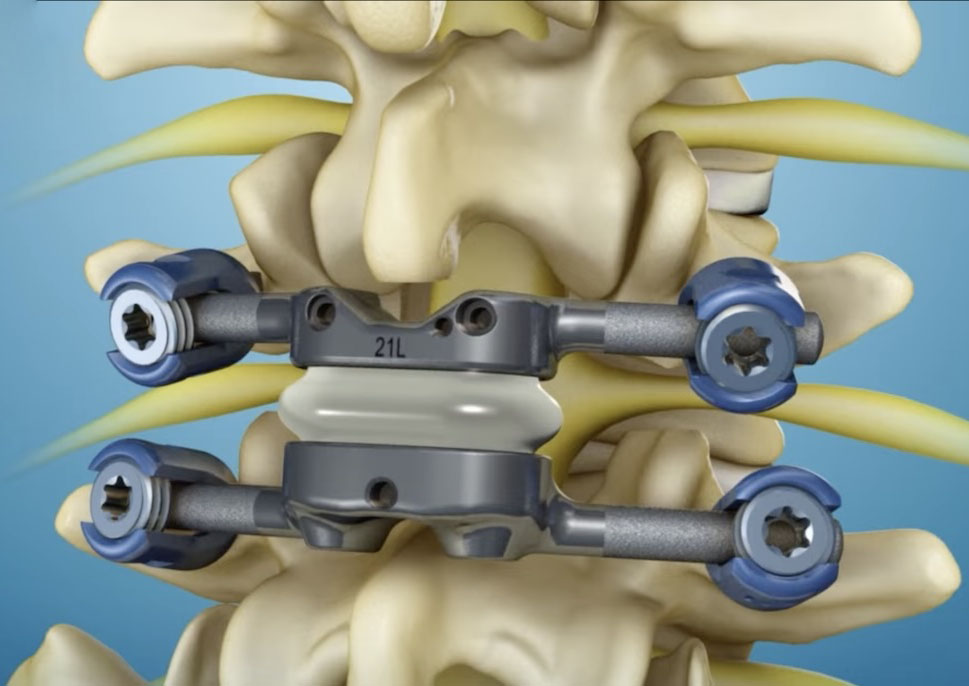
The TOPS™ System is an advanced motion-preserving treatment option for select adults with lumbar spinal stenosis and Grade I degenerative spondylolisthesis at one level of the lower spine. Instead of permanently fusing the affected segment, TOPS™ is designed to provide stability after decompression while still allowing controlled movement at the treated level. The device is FDA-approved for qualifying patients with one-level disease from L3 to L5.
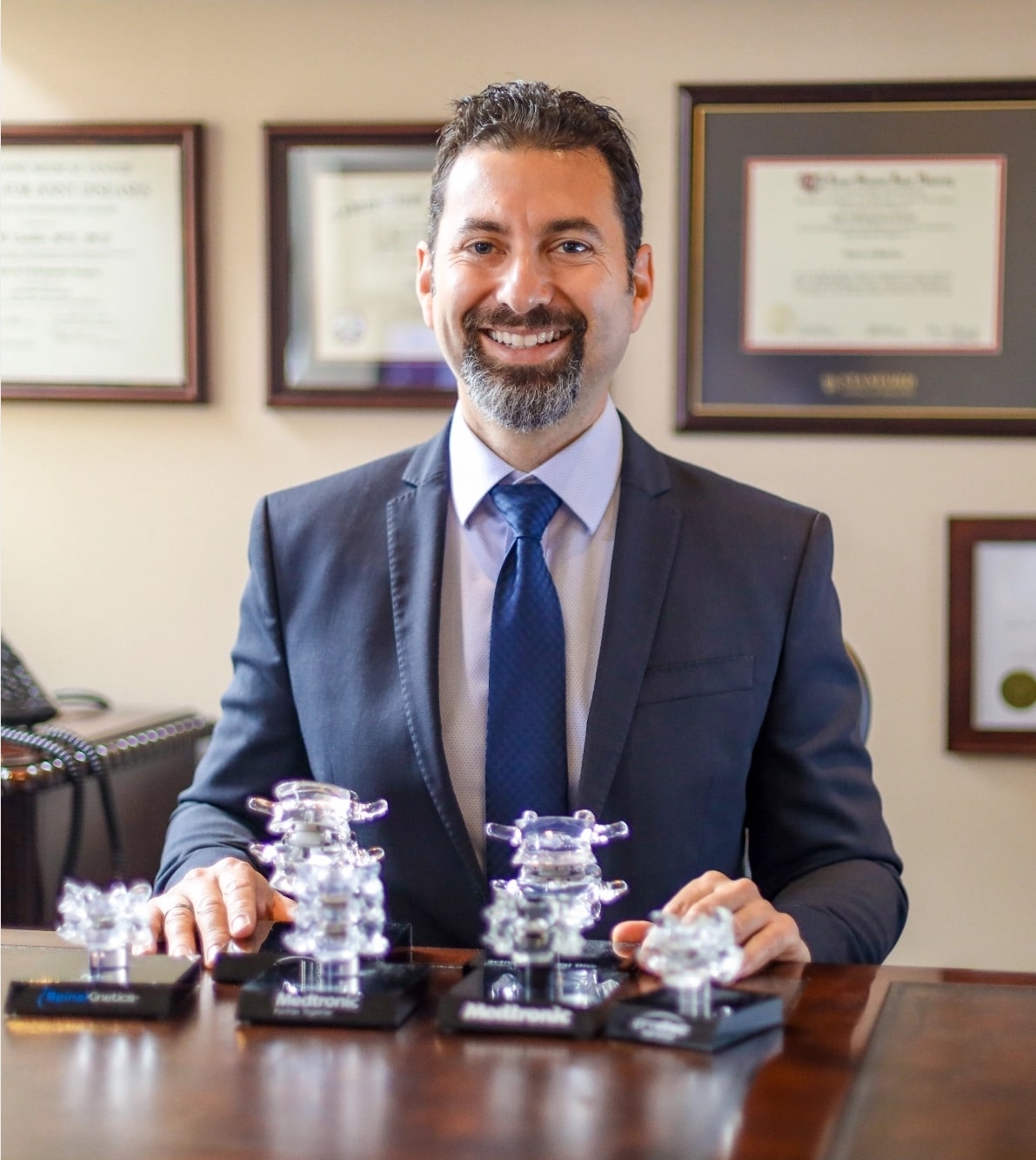
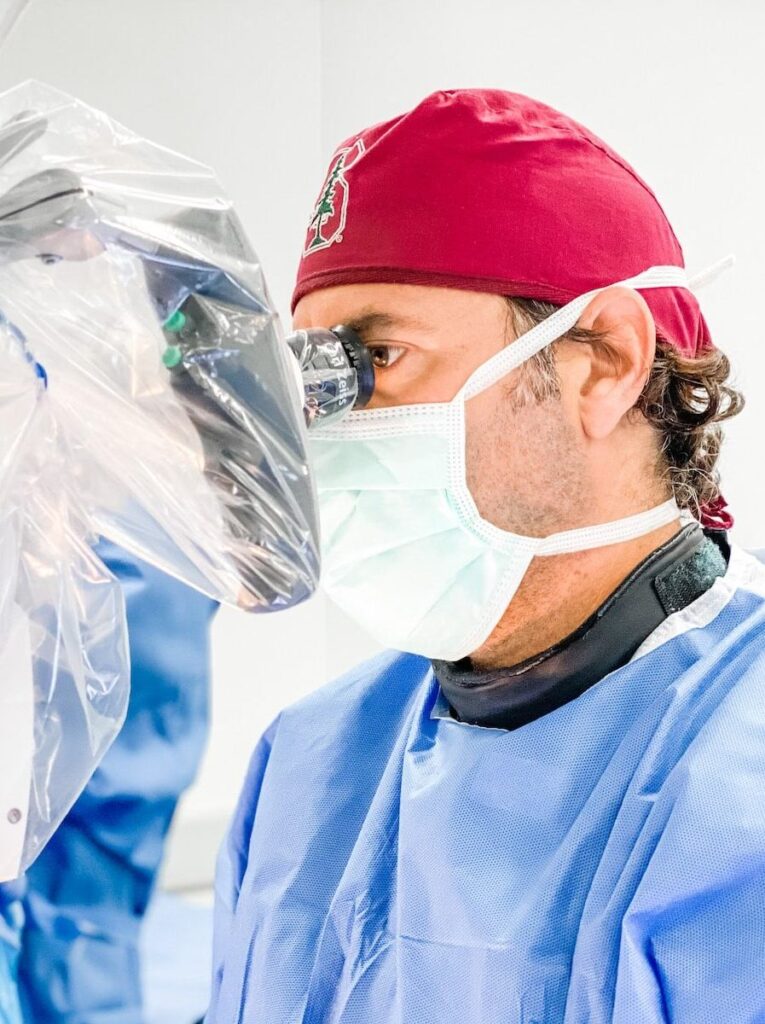
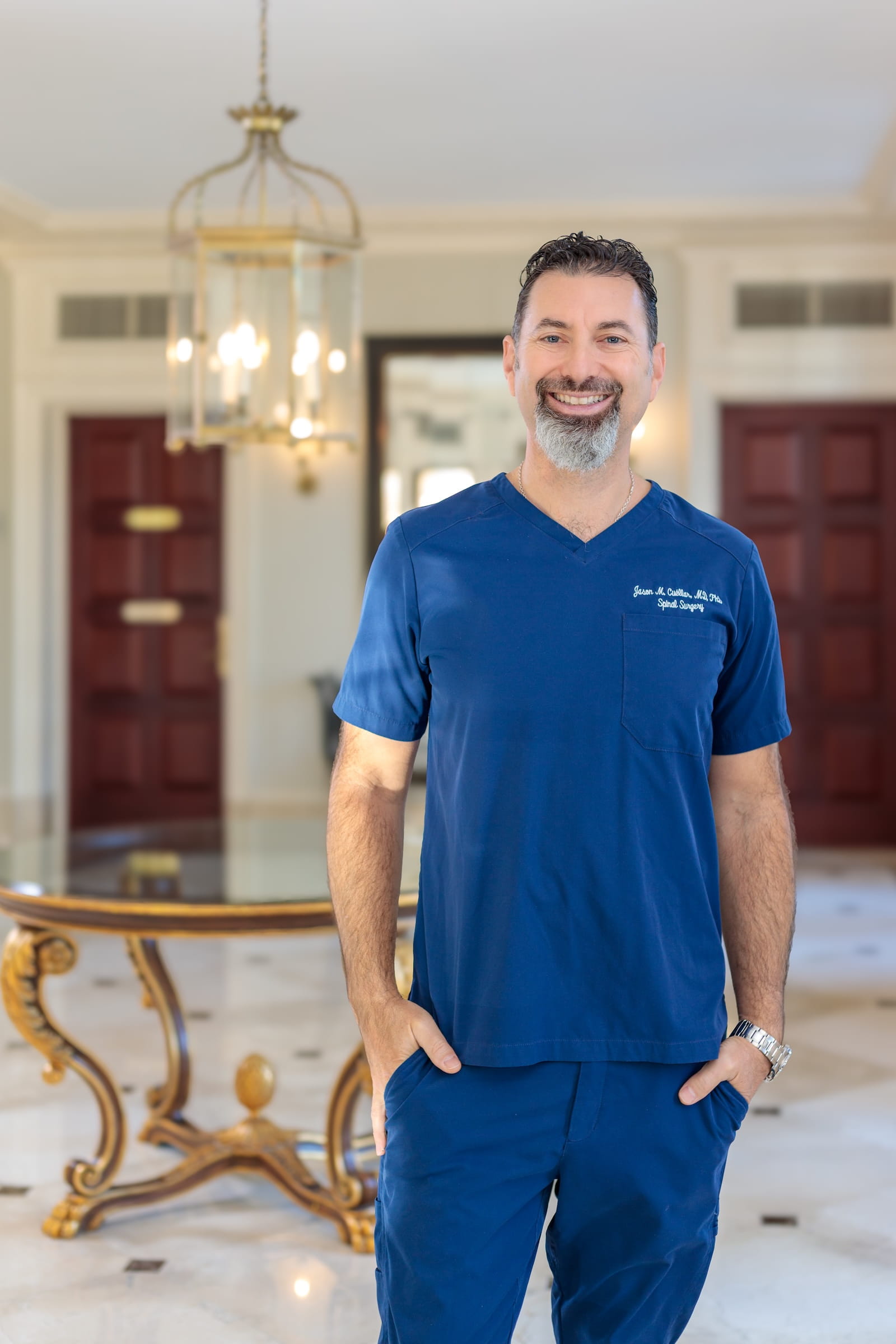
At Palm Beach Spine & Disc Replacement Center, Dr. Jason M. Cuéllar and his team take a precise, diagnosis-based approach to motion preservation. Serving patients in Palm Beach and surrounding South Florida communities, the center focuses on advanced spine care, thoughtful surgical planning, and non-operative options when appropriate.
TOPS™ motion preservation spine surgery is a lumbar procedure for select patients with spinal stenosis and Grade I degenerative spondylolisthesis. After the nerves are decompressed, the TOPS™ System helps stabilize the treated level without fully locking it in place like a traditional spinal fusion.
In simpler terms, the goal is to relieve nerve pressure while supporting the spine in a way that still allows controlled movement.
For many patients, that distinction matters. Some want to know whether fusion is truly necessary. Others want a clearer explanation of what may be causing their leg pain, numbness, weakness, back pain, or difficulty walking. At Palm Beach Spine & Disc Replacement Center, the focus is on matching treatment to the diagnosis, not using the same surgical solution for every patient.
The TOPS™ System is not designed for every type of lower back pain. It is intended for a specific group of patients with certain lumbar spine conditions.
Based on FDA-approved indications, TOPS™ may be appropriate for select adults ages 35 to 80 who have:
Symptomatic degenerative spondylolisthesis up to Grade I
Moderate to severe lumbar spinal stenosis
One-level disease from L3 to L5
Thickening of the ligamentum flavum and/or scarring of the facet joint capsule
Symptoms that are significant enough to consider surgery after a complete evaluation
TOPS™ may be considered when symptoms, imaging, and anatomy all support a motion-preserving approach, especially after conservative care has not provided enough relief.
Not every patient is a candidate. The right treatment depends on the diagnosis, spinal stability, nerve compression, imaging, and long-term goals.
Many patients exploring TOPS™ have already been diagnosed with lumbar spinal stenosis, degenerative spondylolisthesis, or nerve compression. Others have symptoms but are still trying to understand what is happening in their lower back.
A TOPS™ evaluation may be considered when symptoms are related to:
Lumbar spinal stenosis
Grade I degenerative spondylolisthesis
Nerve compression in the lower back
Back pain that worsens with standing or walking
Leg pain, numbness, heaviness, or weakness linked to stenosis
These symptoms can gradually limit daily life, from walking and standing to travel, work, and family activities. When that happens, a detailed evaluation can help identify the cause and determine whether motion preservation may be appropriate.
For many patients, the biggest question is whether their lower spine needs to be fused. The answer depends on the diagnosis, but understanding the difference can make the conversation much clearer.
Spinal fusion is designed to stabilize a painful or unstable part of the spine by permanently stopping motion at that level. For many conditions, fusion remains an important and effective surgical option.
TOPS™ is different. It was developed as a motion-preserving option for select lumbar cases after decompression surgery. Instead of rigidly locking the treated segment, the TOPS™ System is designed to support the spine while allowing controlled movement at that level. It is also recognized as the first FDA-approved device of its kind for this specific indication.
Motion preservation may be worth discussing for patients who want to understand whether fusion is truly necessary for their condition. It may also be considered for those who:
Are candidates for decompression with stabilization at one lumbar level
Want to explore a motion-preserving alternative to fusion
Value the possibility of maintaining controlled movement when appropriate
Want a clear explanation of the benefits and limitations of each option
Still, motion preservation is not automatically the better choice. The right procedure is the one that best matches the patient’s anatomy, diagnosis, symptoms, spinal stability, and long-term goals.
At Palm Beach Spine & Disc Replacement Center, each recommendation is based on careful evaluation and surgical judgment, not a one-size-fits-all approach.
For the right candidate, TOPS™ motion preservation surgery may offer several potential benefits. The procedure is designed to support the treated level after decompression while preserving controlled movement rather than permanently fusing the segment.
Potential benefits may include:
Preserving motion at the treated lumbar level
Helping stabilize the spine after decompression in select cases
Addressing symptoms related to lumbar spinal stenosis and Grade I degenerative spondylolisthesis
Providing a non-fusion surgical option for appropriately selected patients
Expanding the conversation for patients who want to understand all suitable treatment options
Patient selection is essential. TOPS™ is not a universal solution for back pain or every lumbar spine condition. Its value lies in giving certain patients a legitimate motion-preserving option when fusion may have otherwise seemed like the only surgical path.
Back pain does not always mean surgery is needed. But if symptoms continue despite conservative care, it may be time for a more detailed spine evaluation.
You may want to schedule an evaluation if:
Pain has not improved with time, medication, physical therapy, or injections
Leg pain, heaviness, or weakness is limiting walking or activity
Numbness or weakness is becoming more noticeable
Imaging shows stenosis, instability, or slippage
Fusion has been recommended and you want to ask about motion preservation
Even if TOPS™ is not the right fit, a precise evaluation can help clarify what is causing your symptoms and which options make the most sense.
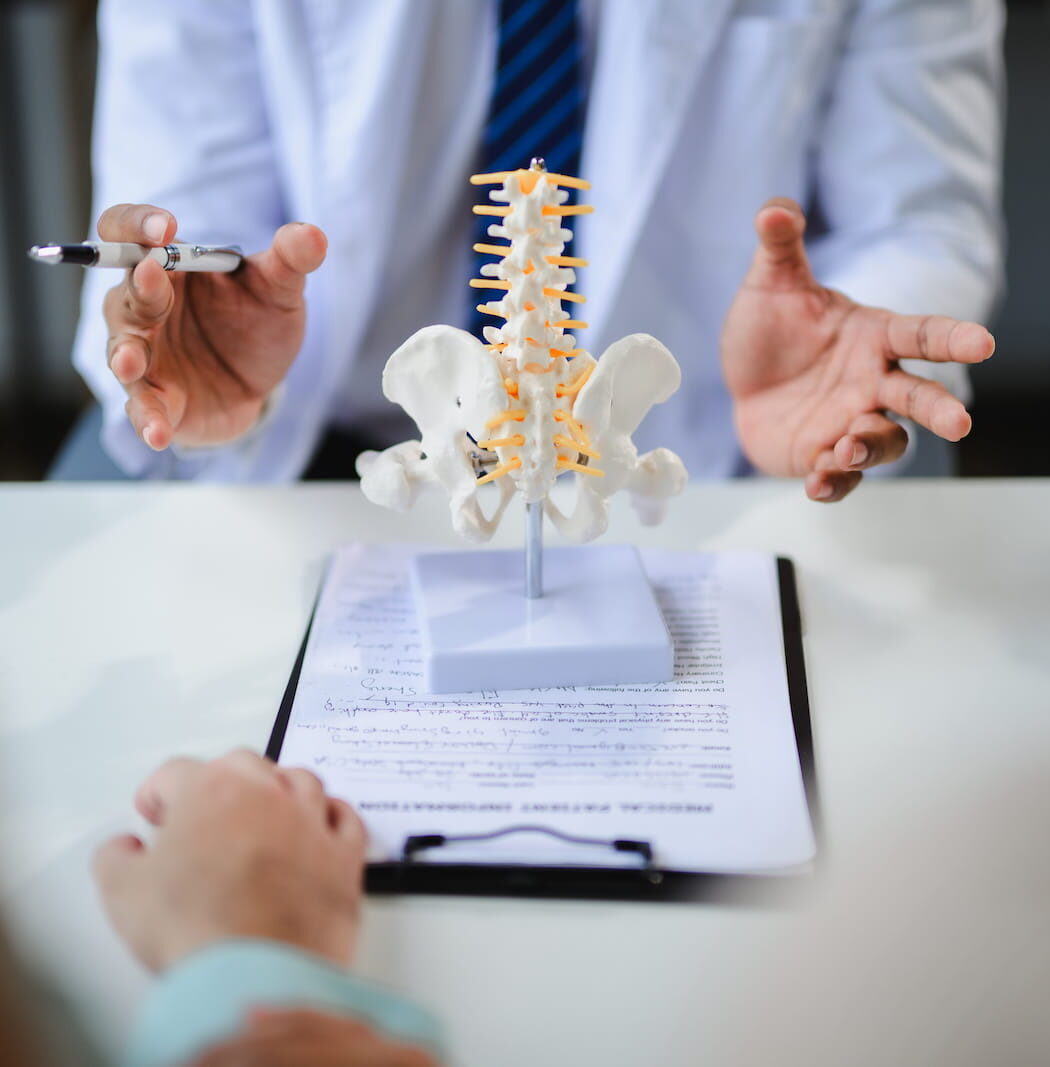
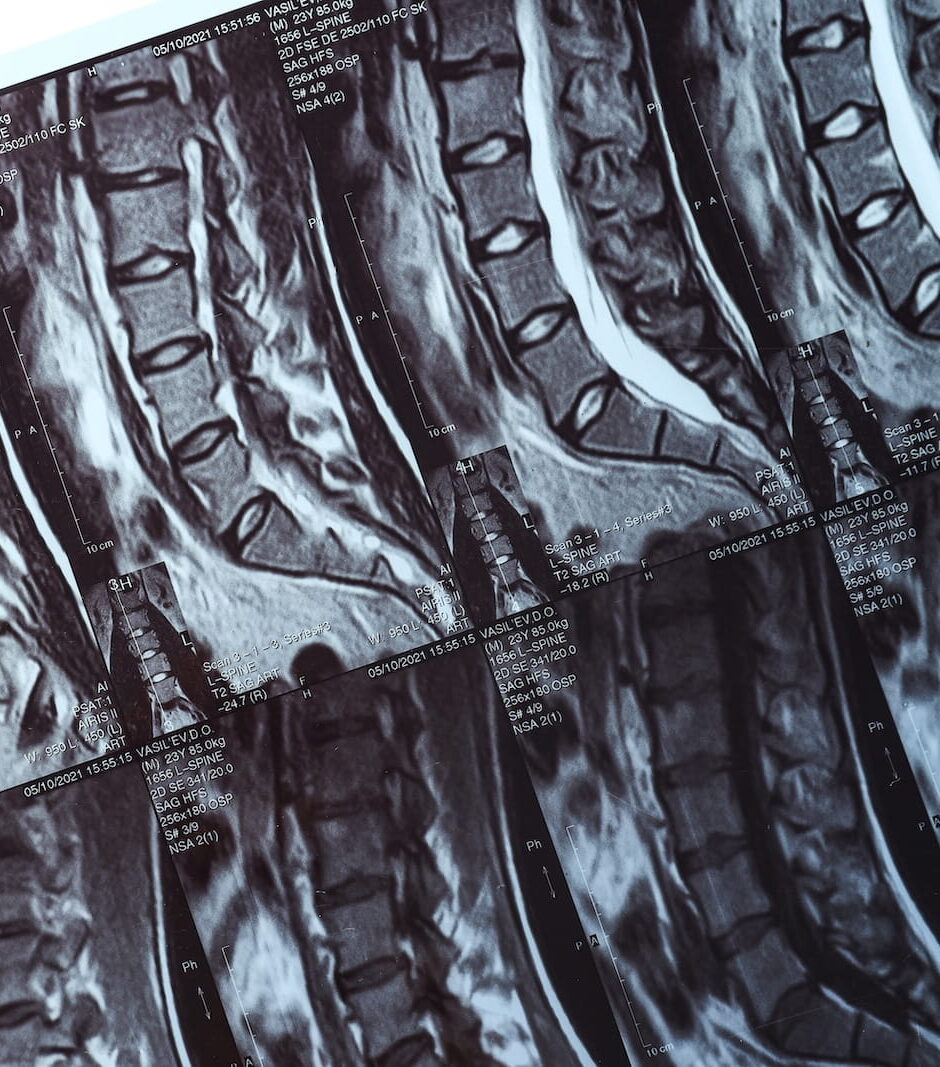
At Palm Beach Spine & Disc Replacement Center, your consultation begins with a complete look at your condition, not just a single MRI image or symptom. The goal is to understand what is causing your pain, how it affects your daily life, and which treatment options are truly appropriate.
Your evaluation may include:
A detailed discussion of your symptoms and mobility limitations
Review of previous treatments and how your body responded
A physical examination
Careful analysis of MRI, X-rays, and other imaging
Discussion of non-surgical and surgical options
A personalized recommendation based on your diagnosis
Dr. Jason M. Cuéllar has extensive experience with motion-preserving, minimally invasive, and non-operative spine care. For TOPS™ patients, the focus is whether motion preservation fits the anatomy, symptoms, imaging, and long-term goals.
At every step, the team focuses on clarity, precision, and helping patients make confident decisions about their spine care.
Choosing a spine specialist for TOPS™ is about more than access to advanced technology. It requires experience, careful judgment, and a clear understanding of when motion preservation is appropriate.
At Palm Beach Spine & Disc Replacement Center, patients receive a detailed evaluation led by Dr. Jason M. Cuéllar, a board-certified, fellowship-trained orthopaedic spine surgeon with a strong focus on motion-preserving spine care.
Patients choose the center for:
Advanced motion-preserving spine expertise
A balanced approach to surgical and non-surgical care
Individualized treatment planning
Clear guidance on TOPS™, fusion, and other options
With TOPS™, the best outcomes begin with selecting the right patient for the right procedure.
In select cases, yes. TOPS™ may be used instead of fusion for certain one-level lumbar conditions involving Grade I degenerative spondylolisthesis and moderate to severe spinal stenosis after decompression.
No. TOPS™ is not intended for every type of back pain. It is used for specific lumbar spine conditions and only when a patient meets the right selection criteria.
TOPS™ is used in the lumbar spine. FDA approval applies to one treated level from L3 to L5 for qualified patients.
The right option depends on your diagnosis, imaging, spinal stability, symptoms, previous treatments, and goals. A detailed spine evaluation can help determine whether TOPS™, fusion, or another approach makes the most sense.
Yes. If fusion has been recommended, it may still be worth asking whether motion preservation is an option. In some cases, fusion is the right choice. In others, TOPS™ or another approach may be considered after a diagnosis-based evaluation.
Many patients are able to go home the same day as surgery, while others may stay overnight and leave the next morning. This depends on the procedure, recovery, and the care team’s recommendation.
This can vary by patient, but many out-of-town patients plan to stay nearby for about 3 to 5 days after surgery before traveling home.
A lumbar brace is not typically required after TOPS™ surgery. However, one may be provided upon request for patients who would like extra support during recovery.
No. Drains are not typically used after TOPS™ surgery.
Most patients have mild to moderate soreness or surgical site pain after TOPS™ surgery. This is typically managed with pain medication for about 7 to 14 days.
No. Stitches do not typically need to be removed. You will have two layers of dressing. The outer layer can usually be removed on day 3, while the Steri-Strips underneath should stay in place for about 14 to 21 days.
For a non-strenuous job or school schedule, many patients can return after about one week. If your work is more physically demanding, you may need about 2 to 3 weeks off.
Many patients can return to regular gym workouts around 4 to 6 weeks after TOPS™ surgery, depending on their recovery and their care team’s guidance.
You can usually start sleeping on your side as soon as it feels comfortable.
You may take a brief shower right away after surgery, unless your care team gives you different instructions.
You should avoid baths, hot tubs, and soaking until the Steri-Strips are off and the incision is fully healed, which is typically around 2 to 3 weeks.
If you have been diagnosed with lumbar spinal stenosis or degenerative spondylolisthesis, and you want to know whether a motion-preserving alternative to fusion may be appropriate, a consultation is the next step.
At Cuéllar Spine, the goal is not to push one procedure. The goal is to identify the treatment that best matches your spine, your symptoms, and your goals.
Patients from Jupiter, Palm Beach, Palm Beach Gardens, and surrounding South Florida areas can request a consultation with Dr. Jason M. Cuéllar to learn whether TOPS™ motion preservation spine surgery, fusion, or another treatment path makes the most sense.
450 Royal Palm Way, Suite 101
Palm Beach, FL 33480
Mon–Fri · 11:30 AM – 7:00 PM
P (305) 459-3175 · F (855) 265-7167
4362 Northlake Blvd, Suite 209
Palm Beach Gardens, FL 33410
Mon–Fri · 11:30 AM – 7:00 PM
P (305) 459-3175 · F (855) 265-7167
658 W Indiantown Rd., Suite 212
Jupiter, FL 33458
Mon–Fri · 11:30 AM – 7:00 PM
P (305) 459-3175 · F (855) 265-7167
2820 NE 214th St, Suite 801
Aventura, FL 33180
Mon–Fri · 11:30 AM – 7:00 PM
P (305) 459-3175 · F (855) 265-7167
Our team will confirm your appointment and let you know exactly what to bring. If you have imaging or prior records, you can upload them directly through our patient portal.
(855) 265-7167
Mon–Fri · 11:30 AM – 7:00 PM