


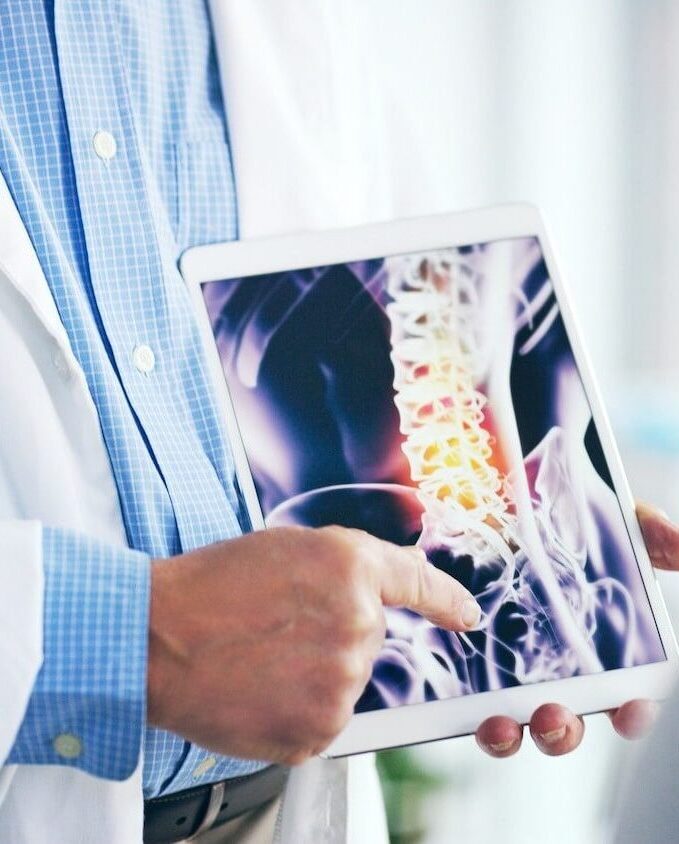




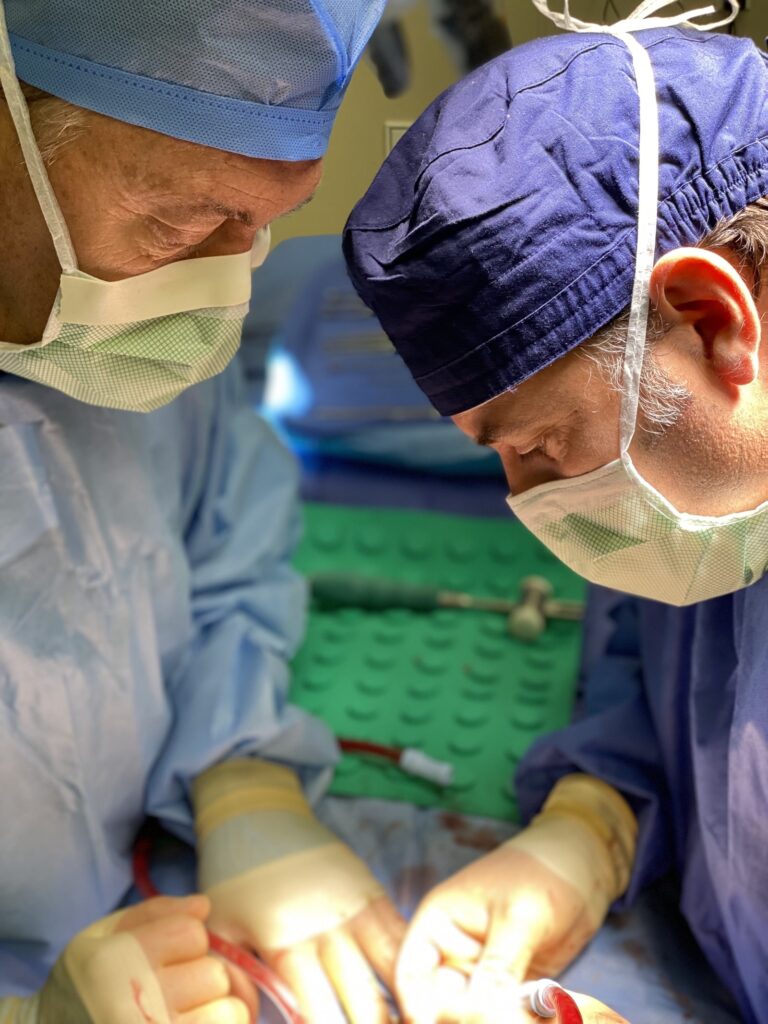





At Palm Beach Spine & Disc Replacement Center, patients have access to advanced surgical options designed to relieve pain, protect healthy tissue, and support a smoother recovery.
Unlike traditional open spine surgery, minimally invasive techniques use:
Small incisions, often less than one inch
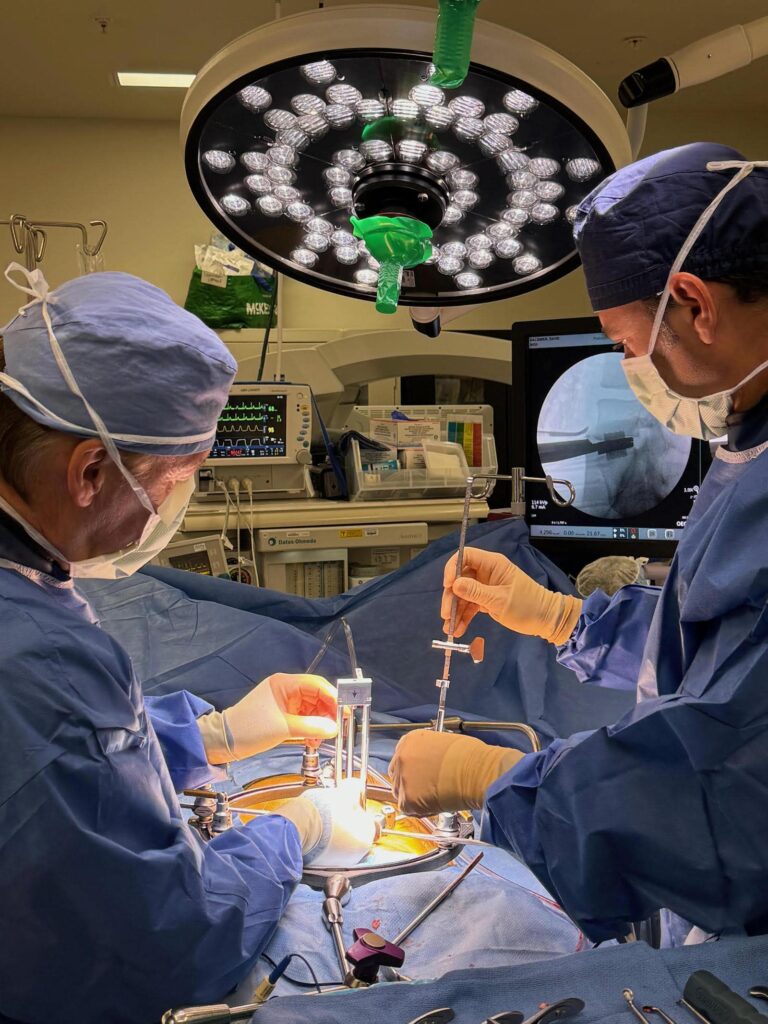
Advanced imaging for surgical precision
Specialized instruments designed for delicate spinal access
Less muscle disruption compared to open surgery
These techniques can be used for a range of spine procedures, including decompression, spinal fusion, artificial disc replacement, and select deformity correction procedures.
Every treatment plan is based on the patient’s condition, anatomy, symptoms, and goals, with the focus on lasting relief, restored function, and quality of life.
Minimally invasive spine surgery may offer meaningful advantages for the right patient, especially when compared with traditional open spine surgery.
Smaller incisions and less muscle disruption may help patients heal more comfortably and return to daily routines sooner.
Because there is less soft tissue disruption, minimally invasive techniques may reduce blood loss, infection risk, and overall surgical trauma.
Small incisions typically result in less visible scarring than traditional open spine surgery.
With less disruption to the muscles around the spine, many patients experience less pain after surgery and shorter hospital stays.
At Palm Beach Spine & Disc Replacement Center, every recommendation is based on the patient’s condition, anatomy, lifestyle, and goals. The focus is on precise treatment, lasting relief, and a better quality of life.
Minimally invasive spine surgery includes several advanced techniques used to treat spinal conditions through smaller incisions and less tissue disruption.
At Palm Beach Spine & Disc Replacement Center, each procedure is recommended based on the patient’s diagnosis, imaging, symptoms, and long-term goals.
A minimally invasive discectomy is performed to remove the portion of a herniated or damaged disc that is pressing on a spinal nerve.
This procedure may help relieve symptoms such as:
Pain that travels into the arm or leg
Numbness or tingling
Muscle weakness
Sciatica caused by nerve compression
By removing the problematic disc material, the goal is to reduce nerve pressure and help restore comfort and function.
Laminotomy and foraminotomy are minimally invasive decompression procedures used to create more space around the spinal canal or nerve openings.
These procedures may be recommended for conditions such as:
Spinal stenosis
Herniated discs
Bone spurs
Nerve compression
During surgery, a small portion of bone or tissue may be removed to relieve pressure on the affected nerves. These procedures are often considered when nerve compression is causing pain, numbness, weakness, or difficulty walking.
Minimally invasive spinal fusion is used to stabilize part of the spine by joining two or more vertebrae together.
This may be recommended for certain cases of:
Degenerative disc disease
Spinal instability
Spondylolisthesis
Severe arthritis or deformity
While fusion limits motion at the treated level, it can provide stability and pain relief when movement between damaged vertebrae is contributing to symptoms.
Artificial disc replacement is a motion-preserving alternative to spinal fusion for carefully selected patients.
During this procedure, a damaged or degenerated disc is replaced with an artificial implant designed to maintain movement at the treated level. The goal is to relieve pain while preserving spinal flexibility whenever appropriate.
Artificial disc replacement may be considered for certain patients with cervical or lumbar disc degeneration who meet the proper surgical criteria.
Depending on the condition, other minimally invasive treatments may include spinal decompression, minimally invasive stabilization techniques, or spinal cord stimulation for select chronic pain conditions.
Each procedure is carefully chosen based on the patient’s anatomy, symptoms, and treatment goals, with the focus on precision, safety, and long-term improvement.
Minimally invasive spine surgery may be an option for patients who have ongoing neck or back pain, nerve compression, or spinal instability that has not improved with conservative care.
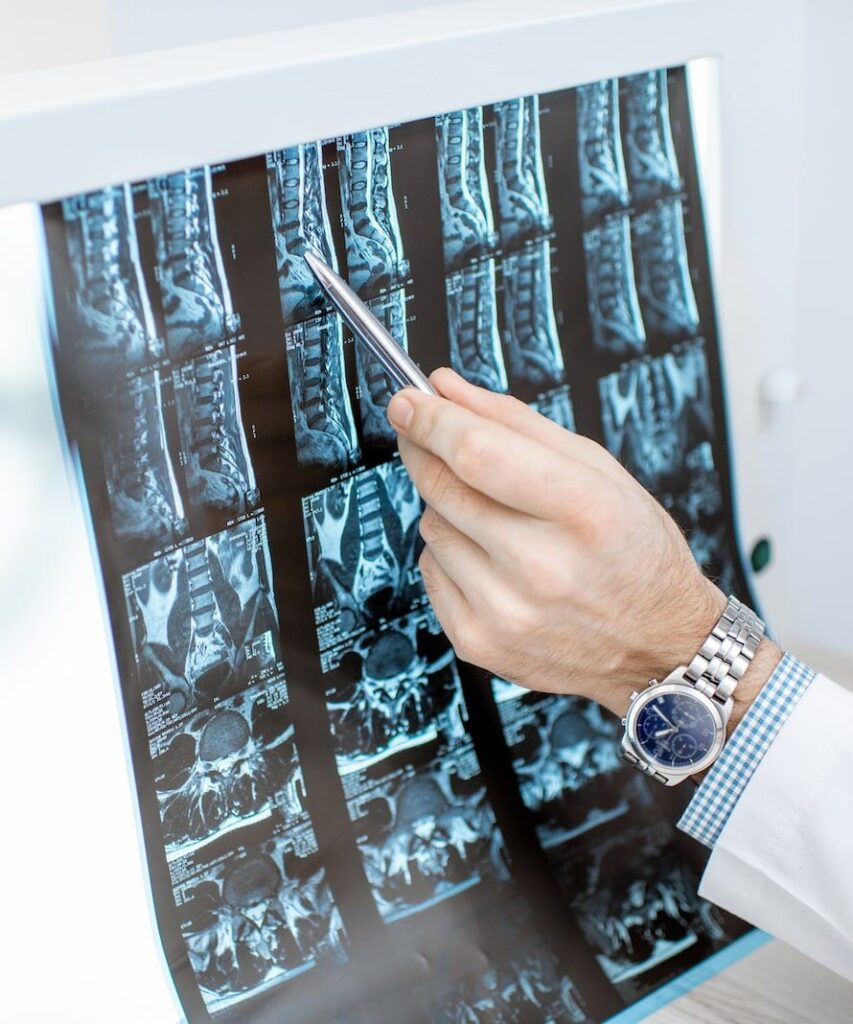
The best candidates are typically patients whose symptoms can be clearly matched to findings on imaging, such as an MRI, CT scan, or X-ray. This helps the surgical team identify the source of pain and determine whether a minimally invasive approach is appropriate.
Minimally Invasive Spine Surgery can effectively treat a range of spinal conditions, including:
Herniated discs
Spinal stenosis
Degenerative disc disease
Spondylolisthesis
Spinal fractures
Spinal tumors
Failed back surgery syndrome
Not every spine condition requires surgery, and not every patient is a candidate for a minimally invasive procedure. A careful evaluation may include a review of:
The severity and location of the spinal condition
Symptoms such as pain, numbness, weakness, or difficulty walking
Imaging results
Overall health and medical history
Past treatments and how well they worked
The patient’s goals, lifestyle, and recovery expectations
At Palm Beach Spine & Disc Replacement Center, the team takes a detailed, individualized approach to surgical planning. If minimally invasive spine surgery is appropriate, the goal is to recommend the least disruptive option that can safely and effectively address the problem.
For patients who are unsure whether they qualify, a consultation can provide clarity. The team will review the diagnosis, explain available options, and help determine the most appropriate path toward relief and improved function.
Minimally invasive spine surgery and traditional open spine surgery share the same goal: to treat the source of pain, nerve compression, instability, or deformity as safely and effectively as possible. The difference is in the approach.
Minimally invasive spine surgery uses smaller incisions, advanced imaging, and specialized instruments to limit disruption to the muscles and soft tissues around the spine. For the right patient, this can make recovery more efficient and comfortable.
Compared with traditional open surgery, minimally invasive spine surgery may offer:
Smaller incisions
Less blood loss
Reduced muscle disruption
Minimal scarring
Lower risk of infection
Shorter hospital stays
Faster recovery times
Better preservation of surrounding spinal structures
While minimally invasive techniques are highly effective for many conditions, they are not the right choice for every patient.
Traditional open spine surgery may be recommended when a condition requires broader access, direct visualization, or more extensive correction. This may include:
Complex spinal deformities
Severe spinal instability
Extensive fusion procedures
Certain revision spine surgeries
Anatomical challenges that limit minimally invasive access
Cases where open exposure allows for safer or more complete treatment
At Palm Beach Spine & Disc Replacement Center, the surgical approach is selected based on what is safest and most effective for the patient. When a minimally invasive option can provide the right result, it may be recommended. When a traditional approach offers better control, stability, or correction, the team will explain why.
Minimally invasive spine surgery offers many benefits, but it is still surgery. Patients should understand the possible risks, limitations, and recovery expectations before moving forward.
Possible complications may include:
Nerve irritation or injury
Infection
Bleeding
Hardware-related issues, when implants are used
Ongoing pain or return of symptoms
This approach is not ideal for every spinal condition or every patient’s anatomy. In some cases, limited access or visibility may make a traditional open procedure the safer choice.
Because minimally invasive spine surgery requires advanced training and precision, experience matters. At Palm Beach Spine & Disc Replacement Center, each case is carefully reviewed to determine the safest and most effective surgical approach.
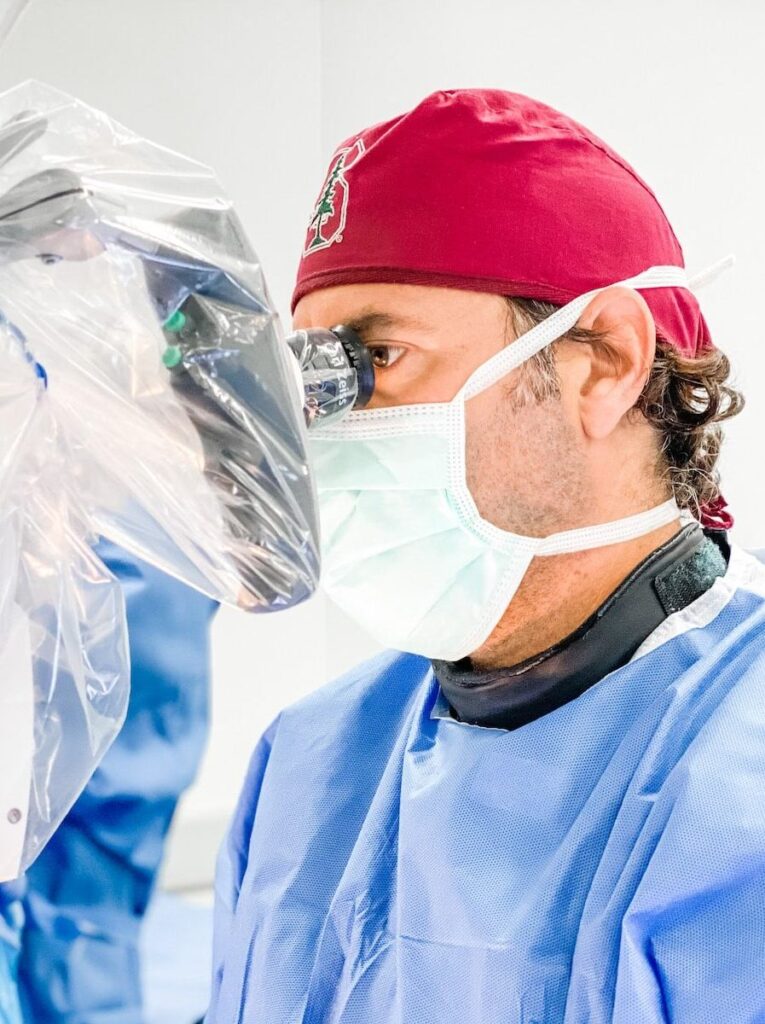
Advanced technology has helped make minimally invasive spine surgery more precise, efficient, and personalized. These tools allow the surgical team to better visualize the spine, plan each step, and work through smaller surgical pathways.
Robotic technology may be used in select spine procedures to improve accuracy and support precise placement of surgical instruments or implants. It can be especially helpful when working near complex spinal anatomy.
Surgical navigation works much like GPS for the spine. Using imaging and computer guidance, the surgical team can view the spine in greater detail during the procedure and make highly targeted adjustments in real time.
Intraoperative imaging, such as CT-based guidance or advanced X-ray technology, provides detailed views of the spine during surgery. This helps improve decision-making and supports safer, more accurate treatment.
At Palm Beach Spine & Disc Replacement Center, technology is used with one purpose in mind: to support thoughtful surgical planning, precise execution, and better outcomes for each patient.
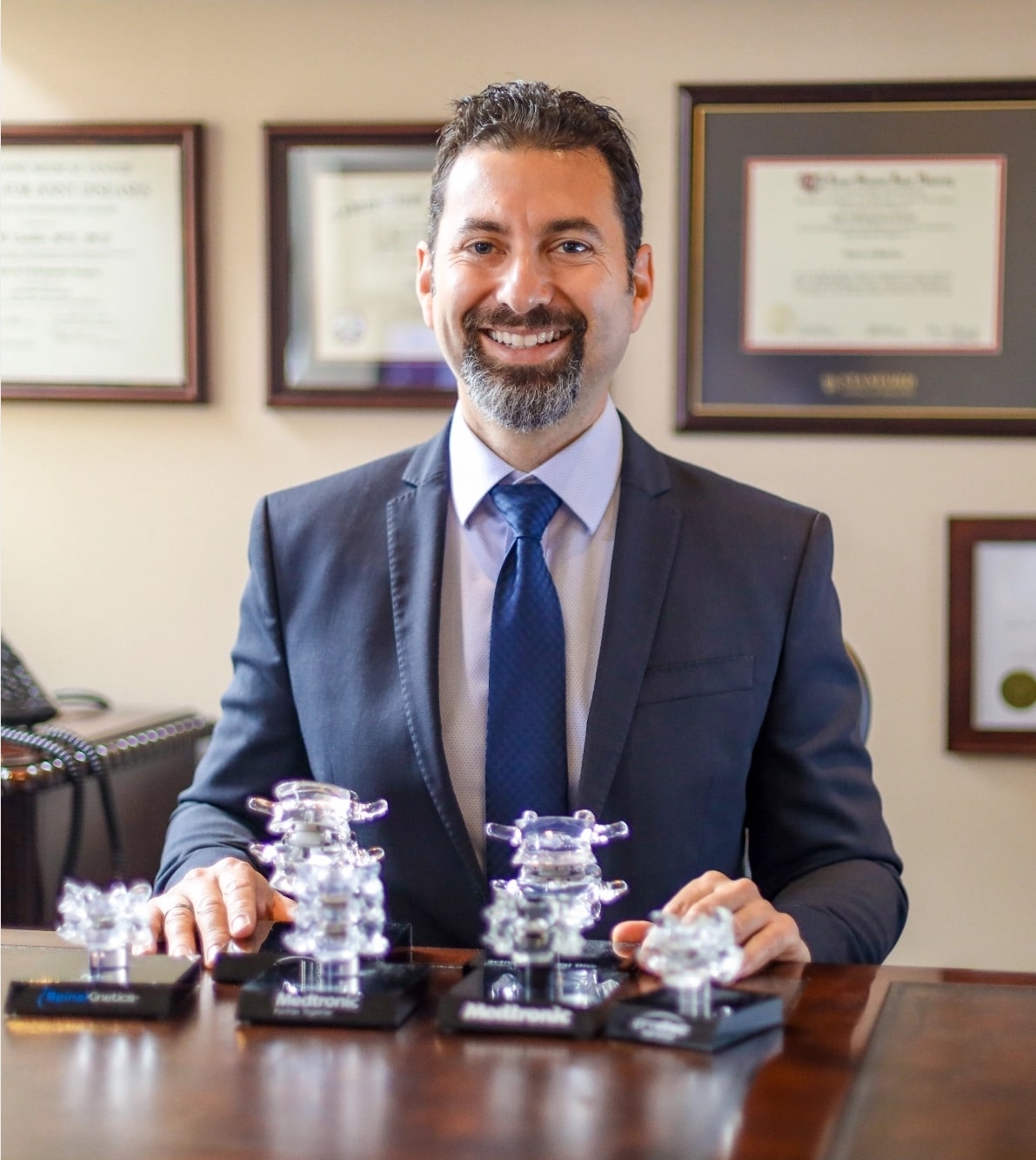
At Palm Beach Spine & Disc Replacement Center, patients receive care from a highly experienced spine team led by Dr. Jason M. Cuéllar, a fellowship-trained spine surgeon known for advanced minimally invasive and motion-preserving techniques.
Dr. Cuéllar brings extensive training, surgical precision, and a thoughtful approach to every case. His experience includes minimally invasive spine surgery, artificial disc replacement, spinal fusion, and complex revision procedures.
What sets the center apart is the combination of technical expertise and individualized care. Each patient is carefully evaluated, with treatment recommendations based on their diagnosis, imaging, symptoms, lifestyle, and long-term goals.
From the first consultation through recovery, the team is focused on clarity, comfort, and exceptional outcomes.
Choosing the right spine surgeon is an important part of your care. Before moving forward with MISS, consider asking:
What is your experience with minimally invasive spine surgery?
How often do you perform this type of procedure?
Which techniques or technologies may be used in my case?
What results can I realistically expect?
What are the risks, and how are they reduced?
What will recovery and follow-up care look like?
Where will the procedure be performed?
How will I be involved in the decision-making process?
A thoughtful consultation should give you clear answers, realistic expectations, and confidence in your treatment plan.
Minimally invasive spine surgery continues to evolve, with advances in imaging, navigation, robotics, and surgical planning helping make procedures more precise and personalized.
For patients, this means more opportunities for effective treatment with less disruption to the body. As techniques improve, the focus remains the same: safer care, thoughtful decision-making, and better long-term outcomes.
At Palm Beach Spine & Disc Replacement Center, our team remains committed to advanced spine care delivered with precision, clarity, and a patient-first approach.
If neck or back pain is limiting your life, a consultation can help you understand your options. Contact Palm Beach Spine & Disc Replacement Center to learn whether minimally invasive spine surgery may be right for you.
450 Royal Palm Way, Suite 101
Palm Beach, FL 33480
Mon–Fri · 11:30 AM – 7:00 PM
P (728) 226-6023 · F (855) 265-7167
4362 Northlake Blvd, Suite 209
Palm Beach Gardens, FL 33410
Mon–Fri · 11:30 AM – 7:00 PM
P (728) 226-6023 · F (855) 265-7167
658 W Indiantown Rd., Suite 212
Jupiter, FL 33458
Mon–Fri · 11:30 AM – 7:00 PM
P (728) 226-6023 · F (855) 265-7167
2820 NE 214th St, Suite 801
Aventura, FL 33180
Mon–Fri · 11:30 AM – 7:00 PM
P (728) 226-6023 · F (855) 265-7167
Our team will confirm your appointment and let you know exactly what to bring. If you have imaging or prior records, you can upload them directly through our patient portal.
(855) 265-7167
Mon–Fri · 11:30 AM – 7:00 PM