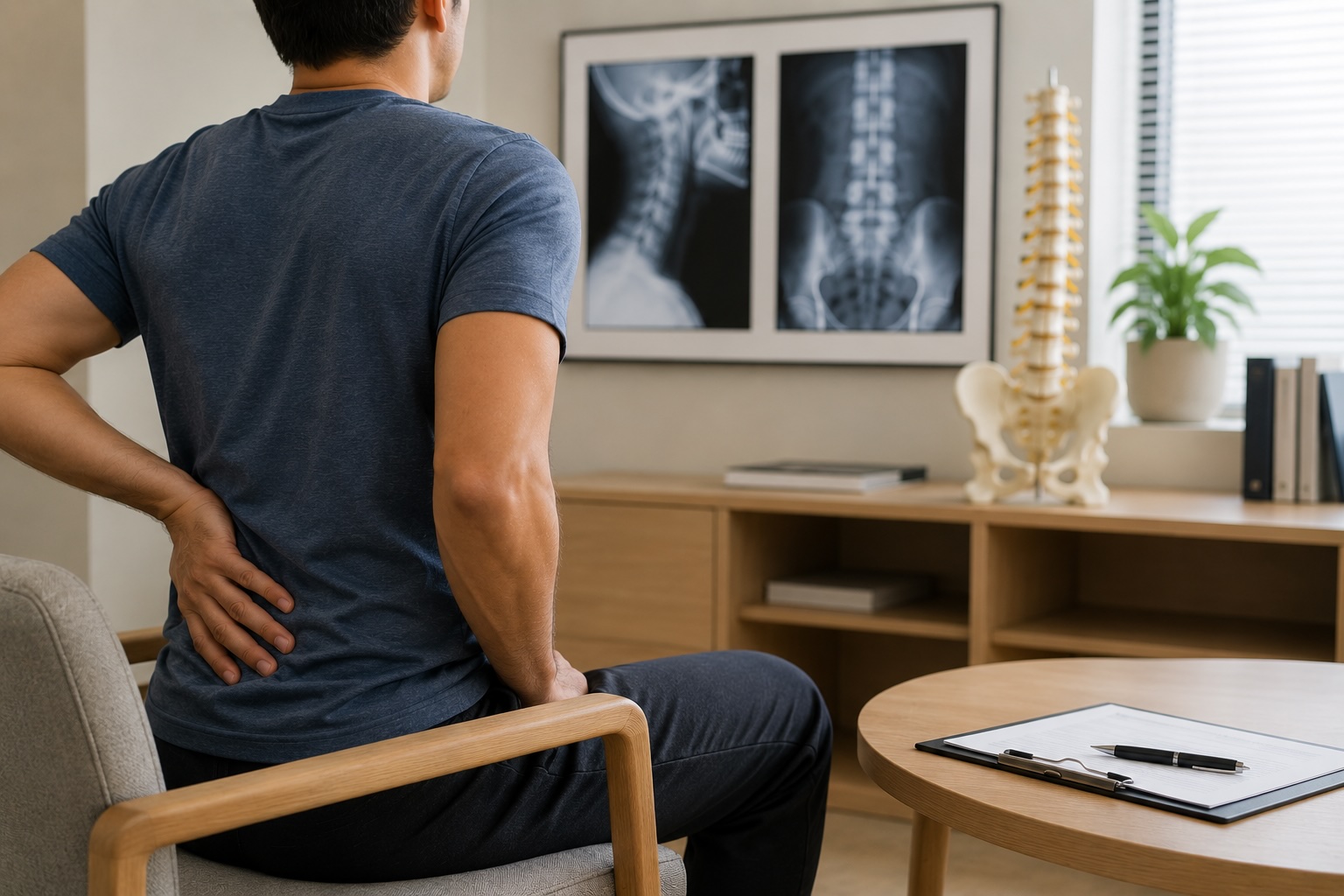
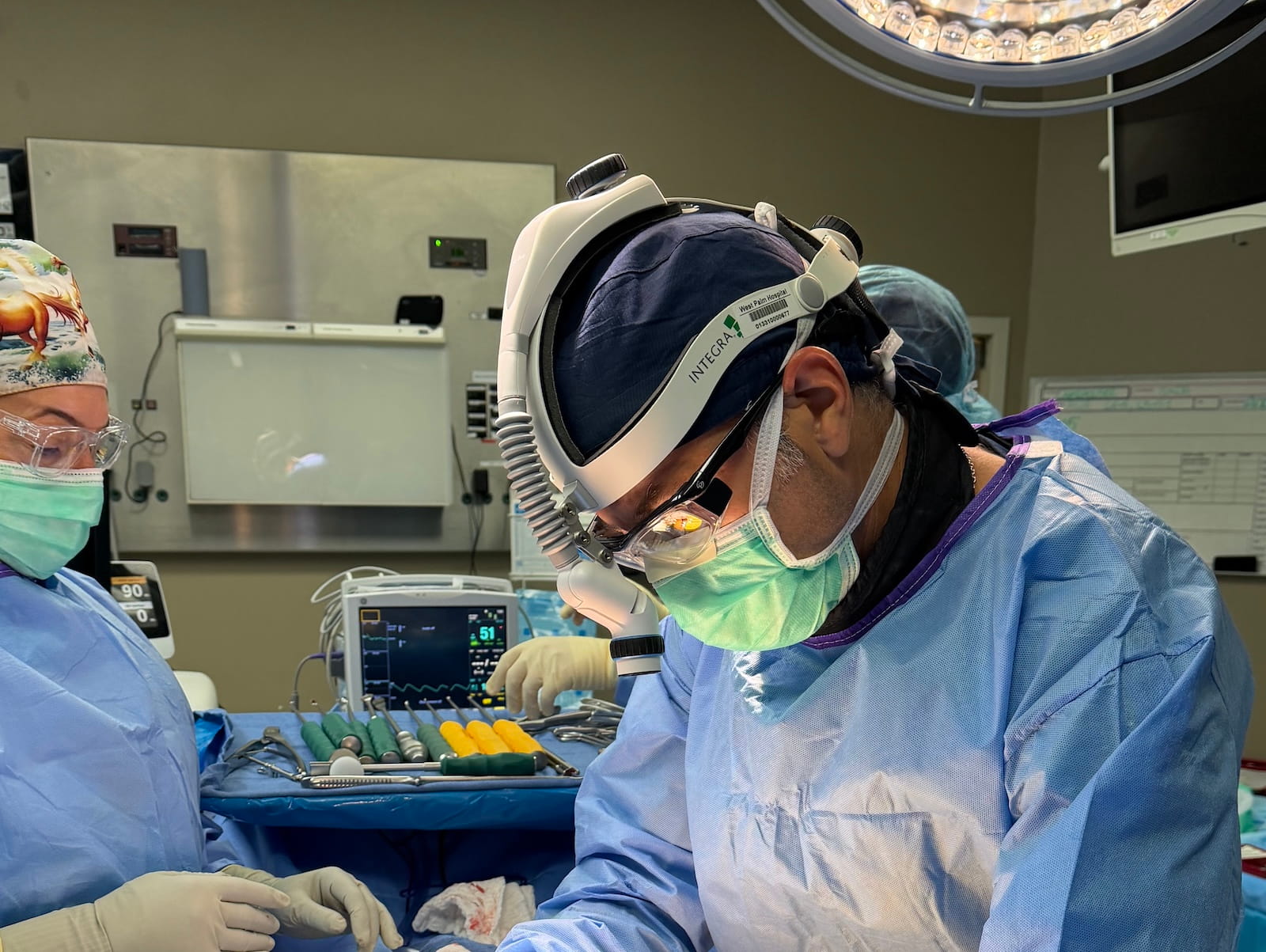
For many years, spine surgery often came with a difficult tradeoff. A surgeon could treat the painful area, but in some cases, that meant permanently limiting movement at part of the spine.
That is still the right choice for some patients. Spinal fusion remains an important procedure when the spine needs added stability. But it is no longer the only surgical path for every person with a damaged disc or certain spine conditions.
Motion-preserving spine surgery has changed what patients may be able to expect from treatment. Instead of simply stopping movement at a painful level, the goal is to treat the problem while helping the spine maintain more natural motion whenever possible.
Spine Surgery Has Moved Beyond One Standard Answer
The spine is built to move. It bends, rotates, absorbs pressure, and helps support nearly every activity, from walking and sitting to lifting, driving, and sleeping comfortably.
When a spinal disc becomes damaged, collapsed, or painful, surgery may be considered after conservative treatments no longer provide enough relief. In the past, fusion was often the main surgical option. Fusion can reduce pain by joining two or more vertebrae together so that the painful segment no longer moves.
For the right patient, that can work very well. But because a fused level does not move, nearby levels may have to take on more stress over time. Some patients also worry about stiffness, loss of flexibility, or how surgery could affect their activity level years later.
Motion-preserving surgery created another possibility.
What Motion Preservation Means in Spine Surgery
Motion preservation means treating the painful or damaged spinal area without permanently locking that level in place.
In many cases, this involves replacing a damaged disc with an artificial disc designed to maintain movement. Other motion-preserving options may be considered for select lumbar conditions, depending on the patient’s anatomy, symptoms, and imaging.
The exact procedure matters, but the larger idea is simple: when the spine does not need to be fused, preserving motion may help maintain a more natural feel and function.
Why Preserving Motion Can Matter
Pain relief is usually the first thing patients want from spine surgery. That makes sense. But many people also want to know what life may look like after recovery.
They want to bend, walk, work, travel, exercise, pick up their children or grandchildren, and move through the day without feeling restricted.
Motion-preserving surgery may help support:
- A more natural range of motion
- Less stiffness in properly selected patients
- A return to daily activities with fewer mechanical limitations
- Reduced stress on nearby spinal levels in some cases
- A treatment plan that better matches an active lifestyle
The key phrase is properly selected. Motion preservation is not automatically better for every patient. It works best when the diagnosis, imaging, spinal alignment, and overall health all support that approach.
How Artificial Disc Replacement Changed the Conversation
Artificial disc replacement is one of the best-known examples of motion-preserving spine surgery.
Instead of removing a damaged disc and fusing the bones together, the surgeon removes the problem disc and places an artificial disc in that space. The goal is to relieve pressure or pain from the damaged disc while allowing that spinal level to continue moving.
This changed the conversation for many patients with cervical or lumbar disc problems. It gave surgeons another way to think about treatment, especially for patients who wanted an alternative to fusion and had anatomy that made disc replacement appropriate.
Artificial disc replacement is not just about using newer technology. It is about choosing a procedure that may better respect how the spine is designed to function.
Motion Preservation Is Not Just About More Movement
The goal of motion-preserving surgery is not simply to keep the spine moving at all costs. In some cases, too much movement, instability, or severe arthritis can make motion preservation the wrong choice.
That is why the evaluation matters so much. A spine specialist has to look at more than one MRI finding. They need to understand where the pain is coming from, whether the symptoms match the imaging, how stable the spine is, and whether nearby joints are healthy enough to support motion after surgery.
Good motion-preserving care is not about forcing every patient away from fusion. It is about knowing when preserving movement is safe, realistic, and likely to help.
Who May Benefit From a Motion-Preserving Approach?
Some patients begin looking into motion-preserving surgery because they have been told they may need fusion. Others are trying to understand their options before making a decision.
A motion-preserving approach may be considered for patients who have:
- Disc-related neck or back pain that has not improved with conservative care
- Arm or leg symptoms caused by a damaged disc or nerve compression
- Imaging findings that clearly match their symptoms
- Good spinal alignment and stability
- A desire to stay active after recovery
- No advanced instability, deformity, or severe facet joint arthritis
These are general factors, not a final checklist. The only way to know whether motion preservation is appropriate is through a detailed evaluation.
When Fusion May Still Be the Better Option
Motion-preserving surgery has expanded what is possible, but fusion still has an important role in spine care.
Fusion may be recommended when the spine is unstable or when preserving motion could make the problem worse. This may include cases involving significant slippage, severe arthritis, deformity, fracture, infection, tumor, or complex revision surgery.
In those situations, stability may matter more than motion. The best procedure is the one that fits the condition, not the one that sounds most appealing. A good spine surgery recommendation should explain not only what can be done, but why that option makes sense for your specific spine.
Why Surgeon Experience Matters in Motion-Preserving Spine Surgery
Motion-preserving spine surgery requires careful planning. Patient selection, implant choice, spinal alignment, bone quality, and surgical technique all affect the outcome.
At Palm Beach Spine & Disc Replacement Center, patients are evaluated by spine specialists with deep experience in advanced motion-preserving procedures. Dr. Jason M. Cuéllar and others involved in the center’s care model are recognized as pioneers in motion preservation, including artificial disc replacement and other modern approaches designed to help select patients maintain spinal movement.
The question is not simply, “Can this be done?” The better question is, “Is this the right option for this patient’s spine, lifestyle, and future?”
That is where clinical leadership and experience matter.
A More Personalized Future for Spine Patients
Motion-preserving surgery has changed spine care because it gives certain patients more options. For some, it may mean treating a painful disc without giving up movement at that level. For others, it may mean having a more informed conversation about why fusion or another approach is still the better choice.
Either way, patients benefit when the decision is personalized.
Spine surgery today is not just about fixing an image on a scan. It is about helping people move better, feel better, and return to a life that feels less limited by pain.
Schedule a Motion-Preserving Spine Surgery Consultation
If you are exploring artificial disc replacement or another motion-preserving spine surgery option, Palm Beach Spine & Disc Replacement Center can help you understand what may be possible.
Our Palm Beach spine specialists provide advanced evaluations for patients with neck pain, back pain, disc problems, and complex spinal conditions. Schedule a consultation to learn whether a motion-preserving approach may fit your symptoms, imaging, and long-term goals.