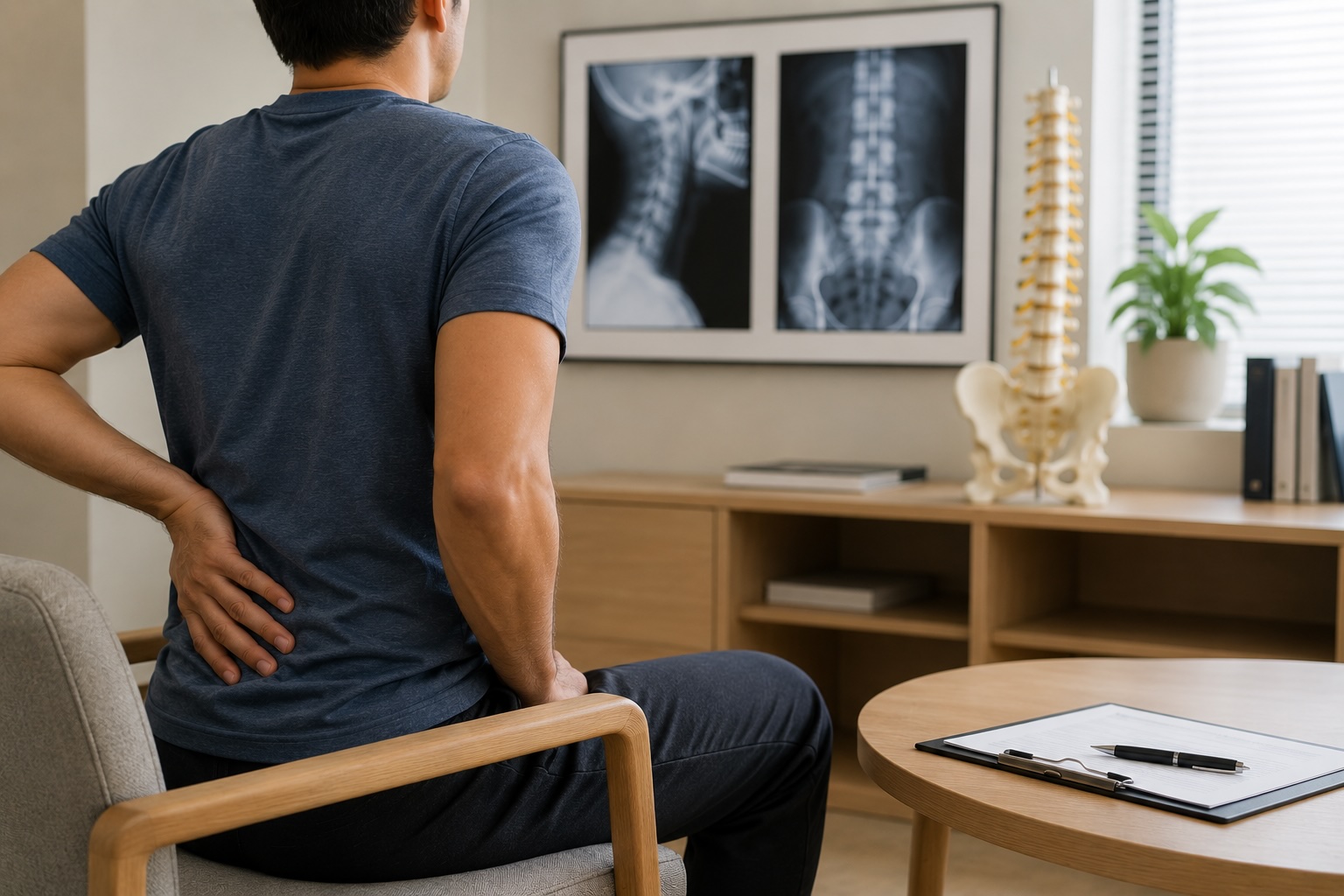
For many people considering spine surgery, the biggest question is not just, “Will this help my pain?” It is also, “What will life look like afterward?”
Artificial disc replacement is often chosen by patients who want to relieve pain while preserving motion in the spine. Unlike spinal fusion, which permanently joins two vertebrae together, disc replacement is designed to remove a damaged disc and replace it with an artificial implant that allows movement at that level.
Still, recovery is a process. Life after disc replacement depends on the area treated, your overall health, your activity level, and whether your spine is truly a good fit for motion-preserving surgery. For patients researching disc replacement from South Florida or traveling for advanced spine care, the right expectations matter.
The Goal of Disc Replacement Is More Than Pain Relief
Disc replacement is designed to treat pain caused by a damaged spinal disc. In many cases, the worn or herniated disc may be irritating nearby nerves, causing pain that travels into the arms or legs.
During artificial disc replacement, the damaged disc is removed and replaced with an implant that helps maintain spacing and motion between the vertebrae. For the right patient, this can help relieve pressure, improve function, and preserve more natural movement compared to fusion.
The goal is not simply to “fix a disc.” It is to help the spine move better, reduce nerve irritation, and support a return to daily life with less pain and more confidence.
What Recovery Usually Looks Like After Disc Replacement
Recovery after disc replacement is different for every patient, but most recovery plans begin with gentle movement. Walking is often encouraged early because it supports circulation, mobility, and healing.
In the first few days or weeks, some soreness is normal. The body is adjusting after surgery, and muscles around the spine may feel tight or guarded. Over time, activity is usually increased in stages.
A typical recovery plan may include:
- Short walks that gradually become longer
- Temporary limits on bending, lifting, or twisting
- Follow-up visits to monitor healing
- Imaging to check implant position
- Physical therapy when recommended by the surgeon
The timeline depends on the type of disc replacement, the number of levels treated, and the patient’s anatomy. Someone having a single-level cervical disc replacement may have a different recovery than someone having lumbar disc replacement in the lower back.
Cervical vs. Lumbar Disc Replacement Recovery
Recovery can vary depending on whether the artificial disc is placed in the neck or lower back.
Cervical disc replacement patients may notice changes in neck movement, arm symptoms, swallowing comfort, and driving tolerance during the early healing period. Lumbar disc replacement patients often focus more on walking, sitting comfort, posture, and gradually rebuilding lower back and core strength.
Both recoveries are guided by the same principle: protect the surgical area early, increase activity gradually, and follow the surgeon’s instructions closely.
Life After Lumbar Disc Replacement
Lumbar disc replacement is performed in the lower back. Recovery often focuses on walking, posture, core control, and gradually rebuilding strength.
Because the lower back carries more body weight and is involved in bending, lifting, sitting, and walking, patients may need to be more mindful of movement early on. Even when pain improves, the spine and surrounding muscles still need time to heal.
Patients may be advised to avoid heavy lifting, aggressive bending, or high-impact activity during the early phase of recovery. As healing progresses, the focus often shifts toward restoring comfortable movement and building support around the spine.
For active patients, lumbar disc replacement may offer a motion-preserving alternative to fusion when the anatomy, diagnosis, and long-term goals line up.
How Soon Can Patients Return to Normal Activities?
Most patients want to know when they can get back to work, exercise, travel, and everyday routines. The honest answer is that it depends.
Some people return to light desk work relatively quickly. Others need more time, especially if their job is physically demanding or if they had significant nerve symptoms before surgery.
General activity milestones may include:
- Walking: Often encouraged early and increased gradually
- Desk work: May return once pain is controlled and sitting is comfortable
- Driving: Usually depends on mobility, reaction time, and whether pain medication is still being used
- Exercise: Typically reintroduced in phases, often with guidance
- Travel: Depends on comfort, sitting tolerance, and post-operative restrictions
- Heavy lifting or sports: Usually requires more time and surgeon clearance
The goal is not to rush back. It is to return safely. A steady recovery often leads to better confidence and fewer setbacks.
What Movement Feels Like After an Artificial Disc
One reason patients consider disc replacement is to preserve motion in the spine. Artificial discs are designed to allow movement at the treated level, but that does not mean everything feels normal right away.
Early on, movement may feel stiff, cautious, or unfamiliar. Muscles are still recovering, and the body needs time to adjust after surgery.
As healing continues, many patients become more comfortable with everyday movement, such as turning the neck, walking, sitting, or standing. Still, motion preservation works best when the procedure is performed for the right reason, which is why careful evaluation is so important.
Long-Term Life After Disc Replacement
The long-term goal of disc replacement is to help patients live with less pain and better function while preserving spinal motion. For properly selected patients, that can make a meaningful difference.
Artificial disc replacement may also reduce stress on nearby spinal levels compared to fusion in some cases. This is one reason motion preservation has become an important part of modern spine care.
Long-term success depends on several factors, including:
- The correct diagnosis
- Healthy surrounding joints
- Good spinal alignment
- Proper implant selection
- Precise implant placement
- A recovery plan that matches the patient’s needs
This is where spine surgeon experience matters. Disc replacement is not just about replacing a damaged disc. It is about understanding how that disc fits into the larger mechanics of the spine.
Signs You Should Call Your Spine Surgeon After Surgery
Some discomfort is expected after spine surgery, but certain symptoms should be taken seriously. Patients should contact their spine surgeon if they notice concerning changes during recovery.
These may include:
- New or worsening weakness
- Pain that is increasing instead of improving
- Fever or incision concerns
- New numbness or loss of coordination
- Trouble walking
- Difficulty swallowing that worsens or does not improve
- Loss of bladder or bowel control
Your surgical team should provide clear instructions on what is normal, what should be monitored, and what needs immediate attention.
Why Surgeon Experience Matters After Disc Replacement
Artificial disc replacement is highly specialized. Strong outcomes depend on more than the implant itself. Patient selection, surgical planning, implant positioning, and long-term spine mechanics all matter.
An experienced motion-preservation surgeon looks beyond one MRI finding and considers the full picture: symptoms, imaging, alignment, nerve compression, facet joint health, bone quality, lifestyle, and future goals.
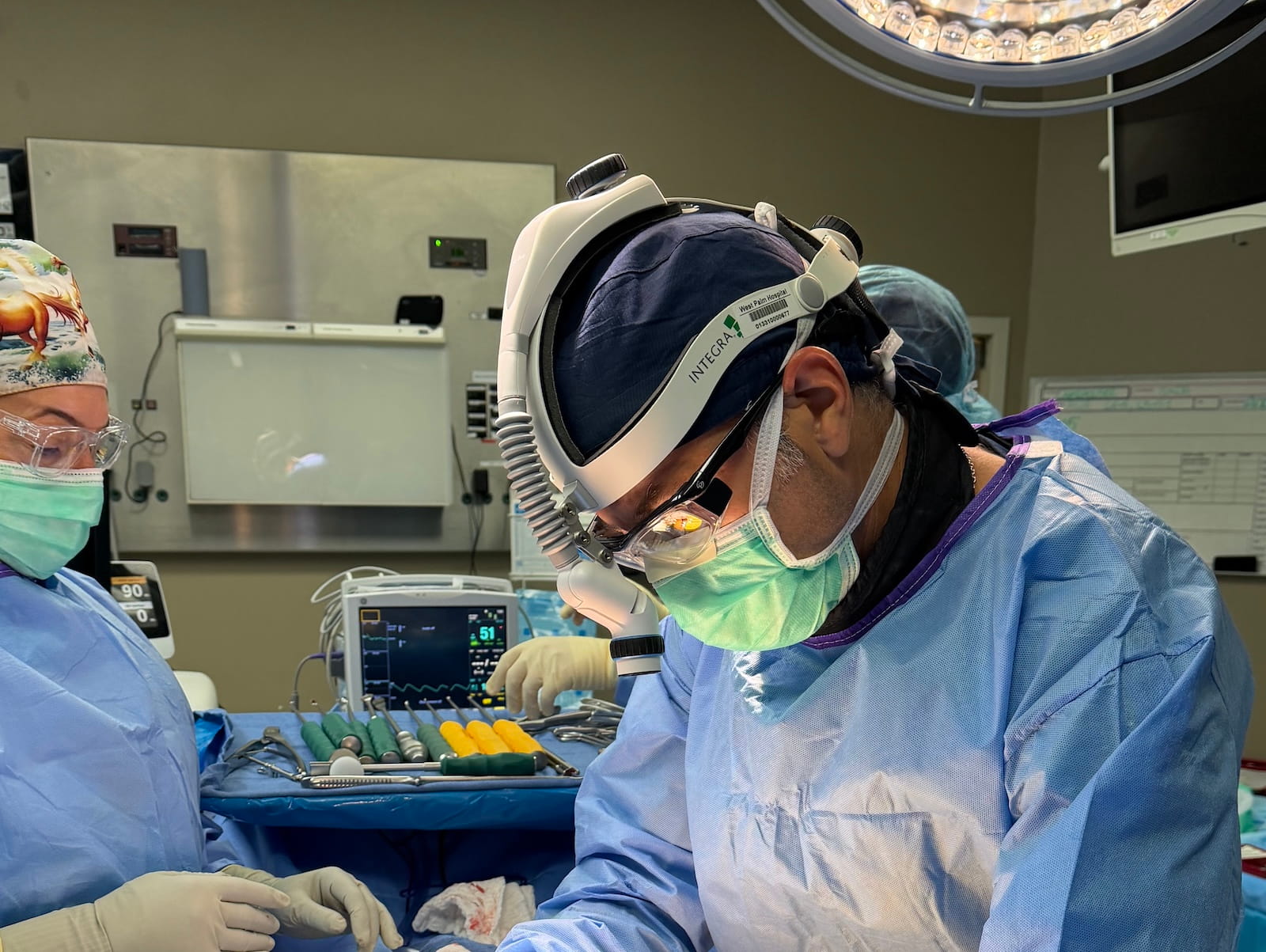
Palm Beach Spine & Disc Replacement Center is led by Dr. Jason M. Cuéllar, a recognized pioneer in motion-preserving spine surgery, with an experienced clinical team focused on advanced, personalized spine care. That experience matters when patients are comparing disc replacement, fusion, non-surgical care, or other treatment options.
The best procedure is not always the most advanced one. It is the one that fits the patient.
Is Disc Replacement Right for Your Life and Goals?
Disc replacement can be life-changing for the right candidate, but it is not right for everyone. Some patients may be better suited for non-surgical care, injections, fusion, decompression, or another approach.
The purpose of a consultation is to determine whether your pain is coming from a disc problem that can be safely and effectively treated with replacement. It is also a chance to talk through your goals. Do you want to return to exercise? Work without constant pain? Travel more comfortably? Avoid fusion if possible?
These goals help shape the treatment conversation.
Life after disc replacement should be built around more than an X-ray. It should be built around the way you want to move, function, and live.
Schedule a Disc Replacement Consultation in South Florida
If you are considering artificial disc replacement, Palm Beach Spine & Disc Replacement Center offers advanced motion-preserving spine care with a concierge-level approach. Led by Dr. Jason M. Cuéllar and supported by an experienced clinical team, the center helps patients understand their options and make informed decisions about their spine health.
To learn whether cervical or lumbar disc replacement may be right for you, schedule a consultation with Palm Beach Spine & Disc Replacement Center in South Florida.